Psychological Safety Training for Rail, Construction & High-Risk Industries
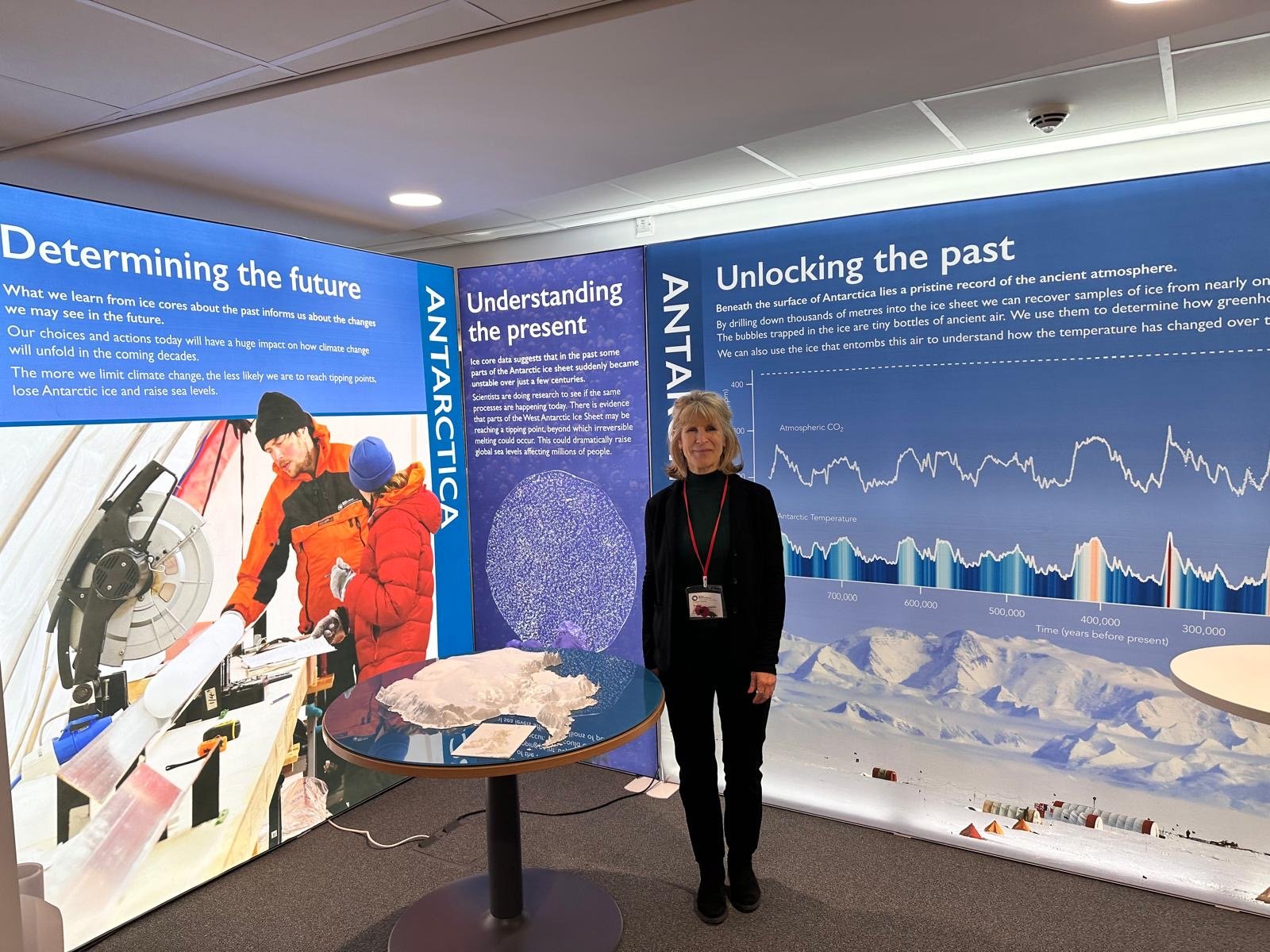
Colleen Mizuki - Psychologist, executive coach, and trauma specialist.
Building cultures where people speak up early, challenge constructively, and take responsibility for each other’s safety and performance.
In rail, construction and energy, the cost of people not speaking up isn't a culture metric — it's a safety incident waiting to happen. Near-misses go unreported. Concerns stay unvoiced. And the conditions for a serious event quietly build.
Psychological safety is not a soft skill. In high-risk, safety-critical environments, it is a performance and risk management capability. 7Futures designs and delivers psychological safety training and safety leadership programmes that help organisations move beyond compliance conversations into genuine cultural change — where people feel safe to raise concerns, challenge assumptions and learn from mistakes without fear.
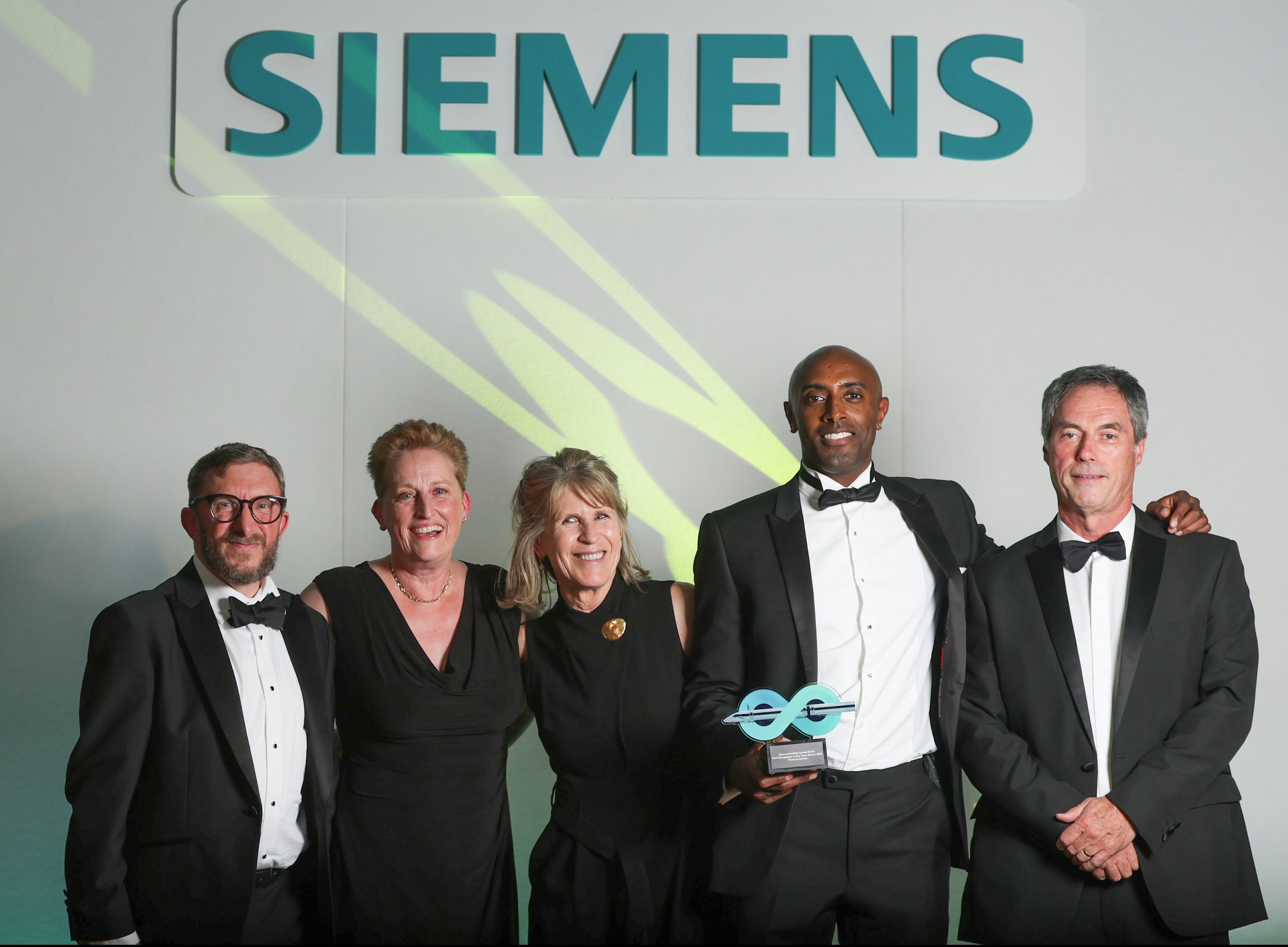
Our approach blends neuroscience, behavioural psychology and real-world operational experience in rail and construction. Delivered for Siemens, Network Rail and safety-critical teams across UK infrastructure.
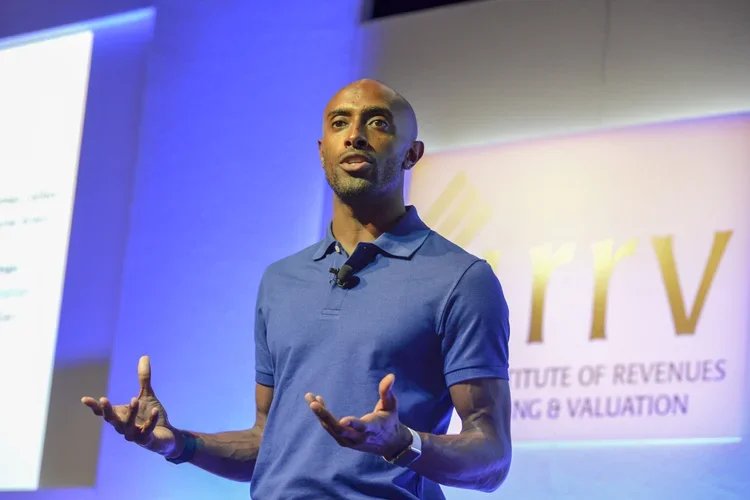
Nathan Douglas - Double Olympian and High Performance Coach
When psychological safety is built well:
Meetings become more candid, focused and outcome-driven
People raise concerns, ideas and dissenting views early — not retrospectively
Challenging conversations happen directly rather than via corridors or email chains
Leaders receive honest upward feedback without damaging authority
Decisions improve because assumptions are tested in the room
Accountability strengthens because issues are owned, not avoided
Team members feel trusted, stretched and supported and not micromanaged
This improves wellbeing but not at the expense of performance. In fact, it protects performance. Teams that can regulate stress, speak openly and resolve tension constructively deliver more consistently and recover faster when things go wrong.
For Leaders with a Health & Safety Brief
For organisations operating in safety-critical environments, psychological safety is a leading indicator of operational risk.
We support safety leaders and senior managers to:
Increase early reporting of hazards and weak signals
Strengthen peer-to-peer intervention behaviours
Reduce silent compliance and presenteeism
Embed learning-culture principles beyond the toolbox talk
Develop leaders who can balance authority with approachability
Our programmes are grounded in evidence-based frameworks and delivered in language that operational teams respect. We understand the realities of rail, infrastructure, engineering and remote operations. We work with leadership and frontline teams together because culture is not changed by policy, but by behaviour repeated under pressure.
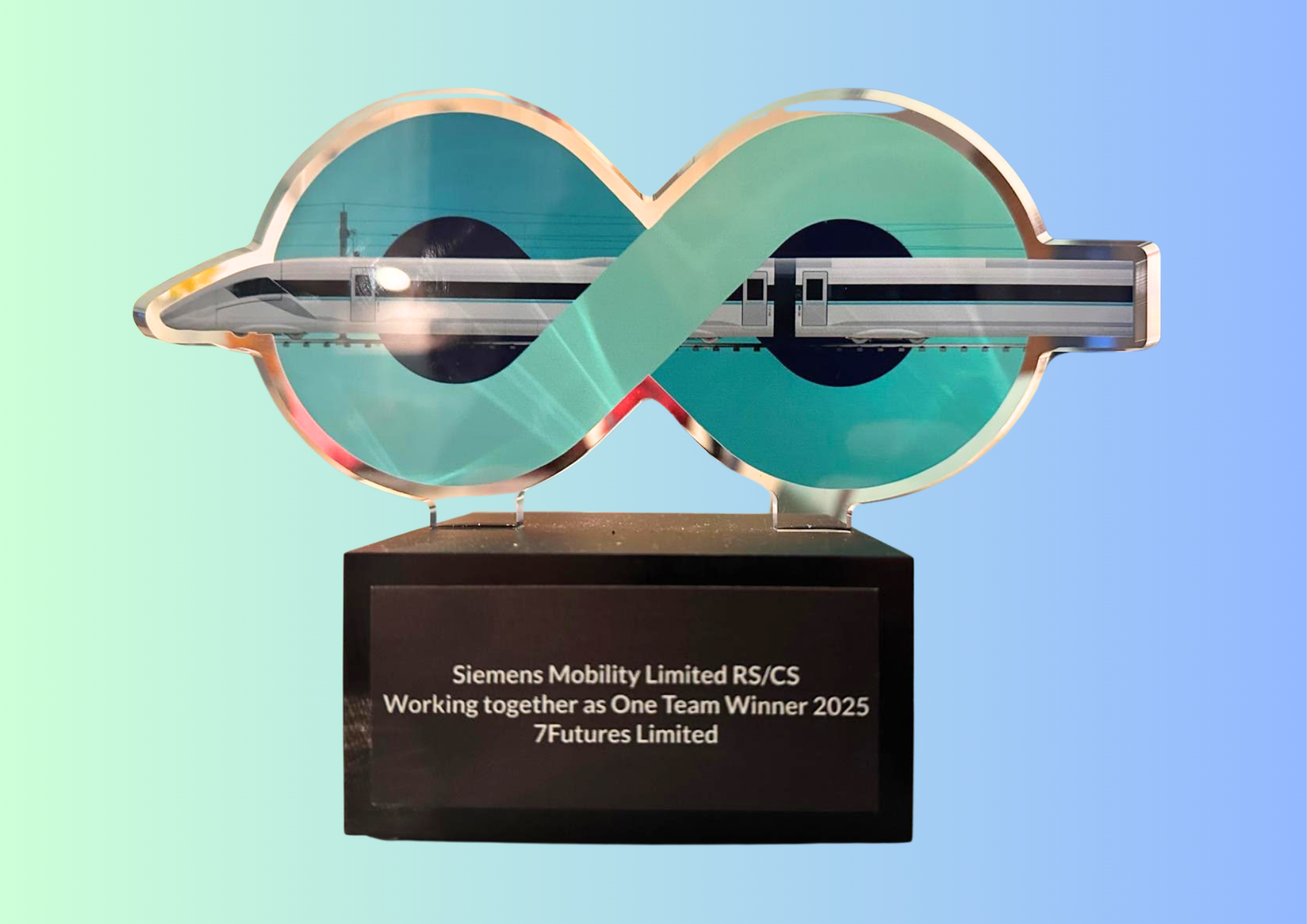
Siemens Mobility - ‘Working together as One Team’ Winner 2025
Outcomes & Impact
Organisations typically see:
Greater participation in safety and wellbeing conversations
Increased constructive challenge behaviours
Earlier escalation of risk and near-miss data
Improved team cohesion and retention
More resilient performance under stress
Psychological safety is not about being “nice”.
It is about creating conditions where people think clearly, act responsibly and protect one another.
.