Health Metrics
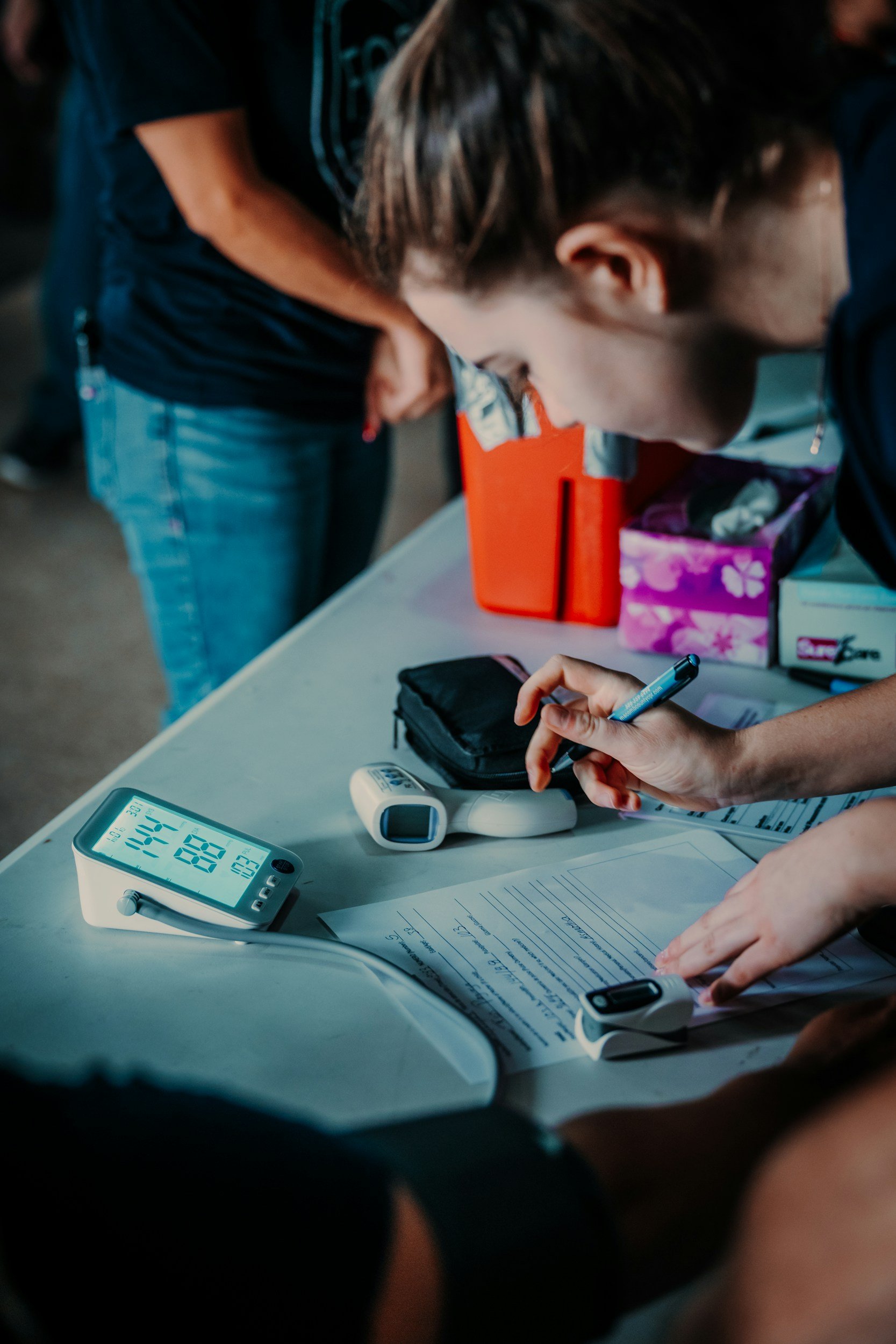
We provide a range of health metrics designed to give a clear, practical understanding of how your body is currently functioning.
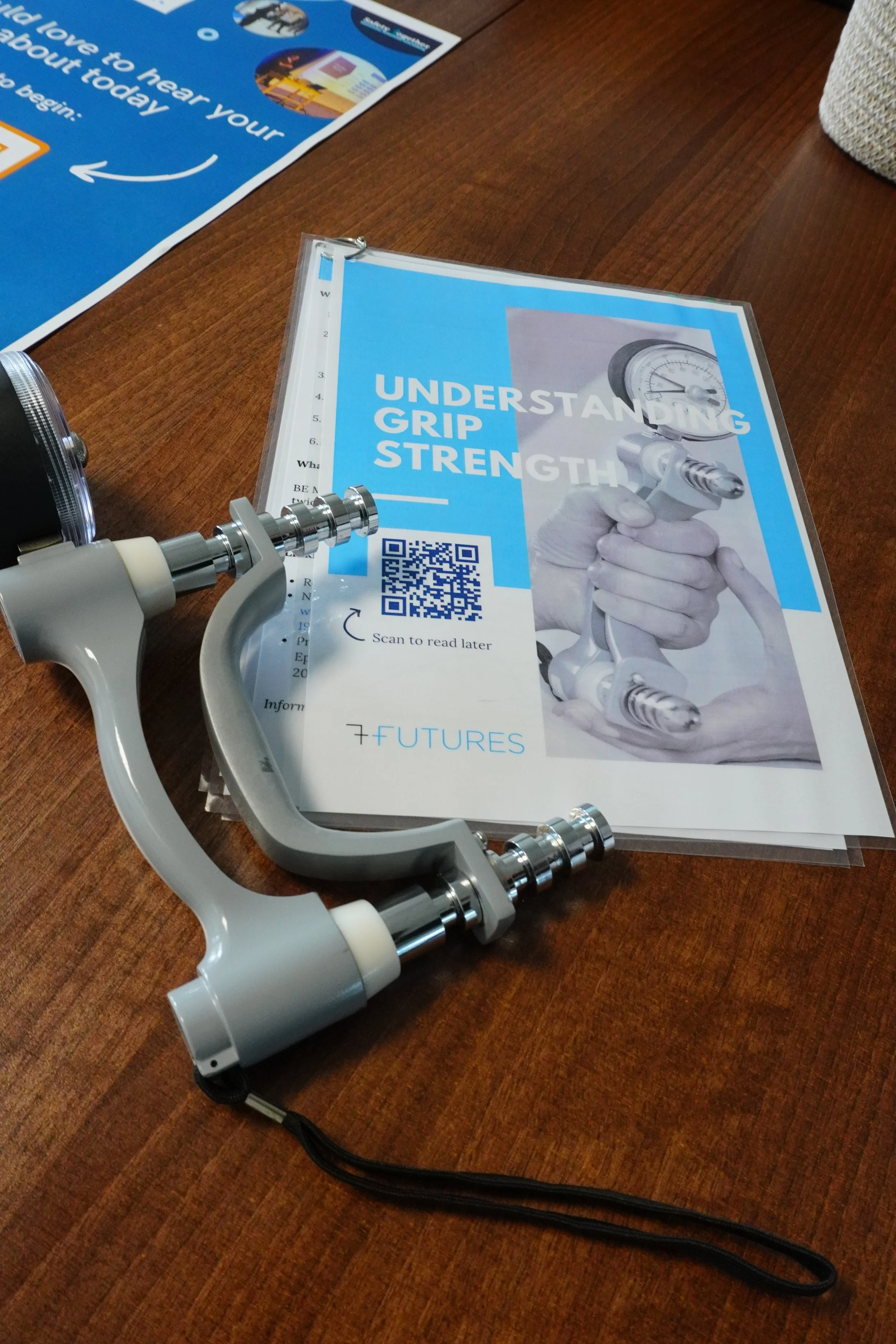
These include body composition analysis to assess muscle mass, body fat, visceral fat and hydration, antioxidant scanning to explore oxidative stress levels, and grip strength testing as a simple indicator of overall strength and physical resilience.
Together, these measures provide a snapshot of your current health and highlight areas that may benefit from targeted improvements in training, nutrition, and recovery.
Our experienced Health Metrics team combines decades of expertise in health, wellbeing, and human performance to deliver engaging, evidence-based health assessments. Drawing on backgrounds in clinical practice, nutrition, sports science, and elite performance, they provide trusted insights that help people better understand their health and take positive action.
Antioxidant Scanning
Is your diet providing the antioxidant defence network needed for optimal health? Are you taking supplements but you're not sure if they are doing their job?
The Biozoom Vitality Scanner is incredible non-invasive technology that measures skin carotenoid levels. Simply place your palm on the scanner and in less than one minute it can quickly assess the quality of your diet.
Carotenoids are yellow, red and orange pigments which produce the bright colours in the fruit and veg we eat. They are also critically important antioxidants that protect you from disease and enhance your immune system. Measuring these in the skin has been shown to relate directly to overall vegetable, spices and fruit Intake.
A low or average score means you are missing out on valuable vegetable protection. Increasing this score not only means more healthy foods are being consumed, it should also increase the cells ability to function, heal and perform. This means immune system, recovery and oxygen flow are all potentially improved. This enhances your protection against premature ageing and certain illnesses such as cancer. It is thought that increasing antioxidants help reduce inflammation in the body which is often a source of heart disease and it can also help protect against macular degeneration of the eyes.

Body Composition Analysis
What Is Body Composition Analysis?
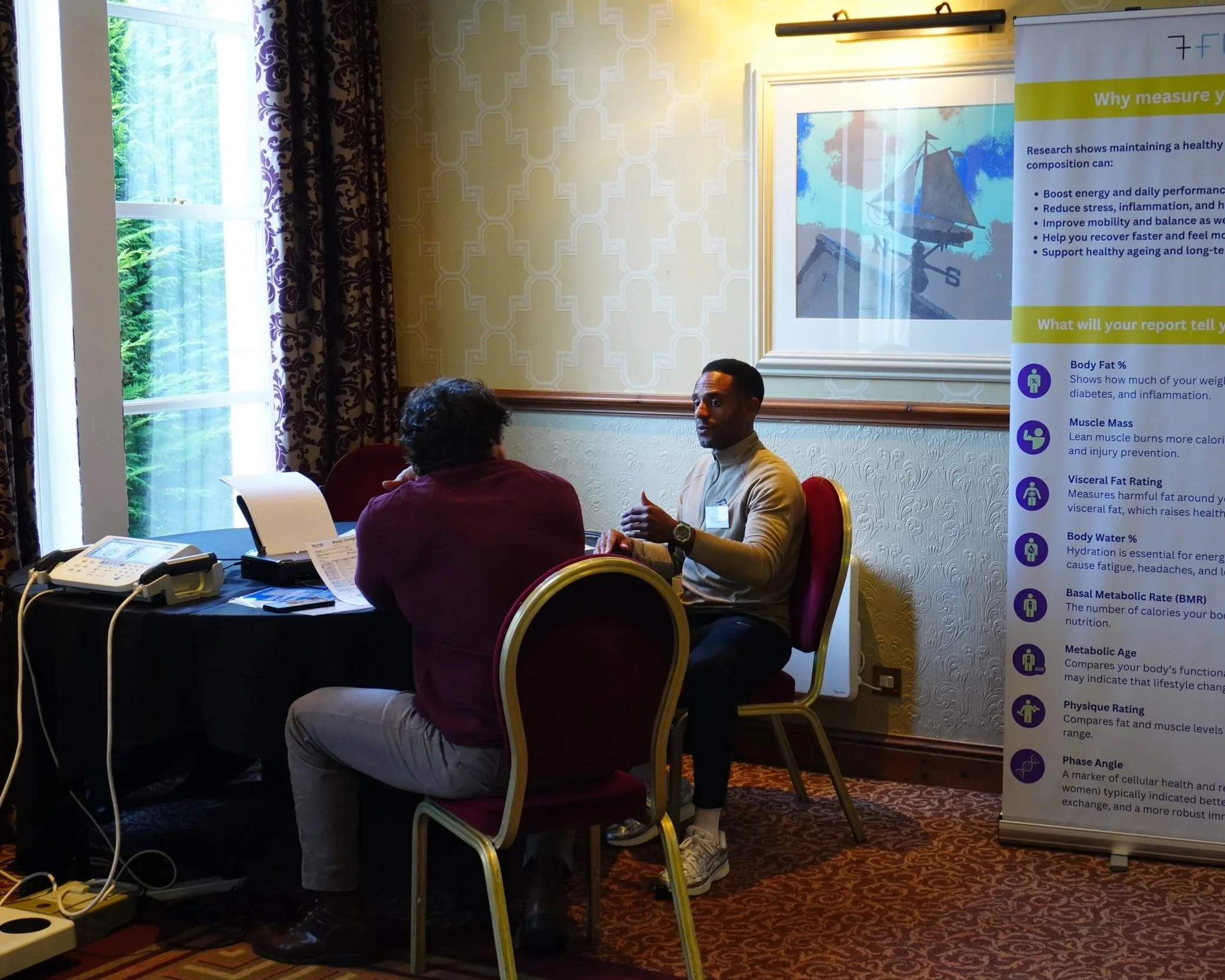
Body composition analysis uses bioelectrical impedance technology (Tanita) to provide a detailed breakdown of your body’s composition. It measures key markers including body fat percentage, muscle mass, visceral fat, hydration levels, bone mass, and metabolic age.
The assessment provides an immediate printout, giving a clear picture of how your body is functioning, not just your total weight. It also highlights how your body is distributed and balanced, including differences between left and right sides, which can be relevant for movement and injury risk.
Why Is It Important?
Body composition provides a more meaningful insight into your health than body weight alone. It allows you to understand how your body is responding to training, nutrition, and recovery over time.
The data can highlight potential risks such as:
excess visceral fat, which is linked to increased risk of cardiovascular and metabolic disease
low muscle mass (sarcopenia), which impacts strength, resilience, and long-term function
imbalances in muscle distribution, which may increase injury risk or contribute to ongoing aches and pains
poor hydration or fluid balance, which can affect energy, recovery, and inflammation
Tracking these measures over time allows for more informed decisions and targeted changes, whether the goal is improving health, reducing injury risk, or enhancing physical performance.
Grip Strength Testing
What is a grip strength test?
The grip strength test is a simple quick measurement taken with a piece of equipment known as a dynamometer. It measures the force of your muscles when gripping. Not everyone's grip strength is the same. The 'average' range for you will depend on your age, gender and ethnicity.
Why measure grip strength?
The grip strength test is more than just a measure of how strong your handgrip or forearm muscles are. It has also been shown to be a good indicator of overall body strength. Muscle strength is important for your health and well-being at any age, but even more so in later life. Your muscles reach their peak strength in the 20s to 30s, but then start to decline in your 40s, losing up to 10% a decade. A loss of muscle mass and strength significantly impacts on your ability to look after yourself in later life.
Why else is muscle strength important?
Strengthening exercises help to:
protect your joints against injury
improve regulation of blood sugars
lowers blood pressure and improves cardiovascular health
protect against osteoporosis
recent studies indicate strengthening exercises might also help your brain health and memory